Treating alcohol poisoning on Koh Phi Phi
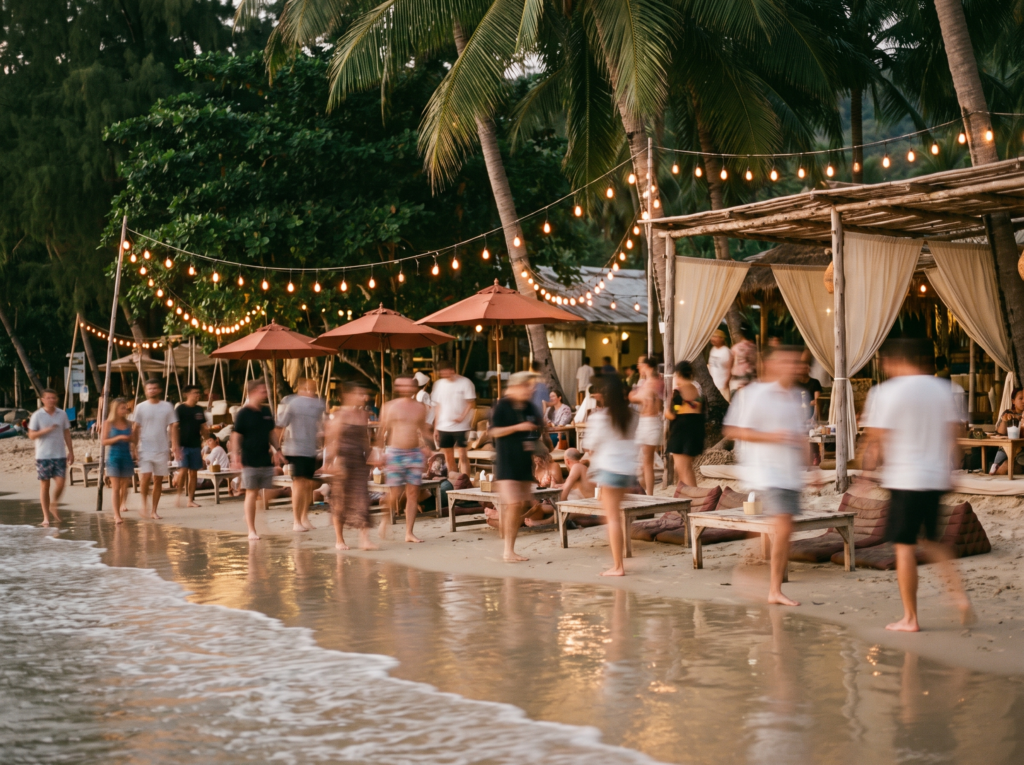
Phi Phi has a serious drinking scene, buckets are cheap, and the combination of heat, dehydration and spirits of uncertain provenance sends people over a line they did not see. Alcohol poisoning treatment in Koh Phi Phi is available at any hour without any judgement attached — and the thing worth knowing in advance is which signs mean somebody must not be left to sleep it off.
The signs that are not just drunk
Call for help and bring the person in for any of these:
- Cannot be woken, or wakes only briefly and drifts off again
- Vomiting while barely conscious
- Breathing that is slow, shallow or irregular
- Blue or grey lips, fingertips or face
- Cold, clammy or bluish skin
- A seizure
- Confusion so deep they cannot say where they are
The dangerous misunderstanding is that unconsciousness is the end of it. Blood alcohol keeps rising for an hour or more after the last drink, so somebody who looks merely asleep at two can be in real trouble by three. Nobody who cannot be roused should be left alone.
What to do while waiting
Put them in the recovery position — on their side, head tilted back, top leg bent forward to stop them rolling onto their back. That single action prevents the most common cause of death in alcohol poisoning, which is inhaling vomit while unable to protect the airway.
Stay with them. Keep them warm, since alcohol lowers body temperature and a fan or air conditioning makes that worse. Check breathing regularly.
Do not give coffee, do not make them walk it off, do not force them to vomit, and do not put them in a cold shower. None of those sober anybody, all of them raise the risk, and the cold shower in particular has drowned people.
Why it is worse in this climate
You arrive at the bar already dehydrated from a day in thirty-plus degree heat. Alcohol is a diuretic on top of that, so fluid loss compounds rather than adds.
Heat also speeds absorption and worsens the drop in blood pressure that alcohol causes, which is why fainting and falls are common here and why the overlap with heat exhaustion is constant. Plenty of what looks like extreme drunkenness is half heat.
Then buckets. A bucket is a large, sweet, cold drink containing several standard measures, and it does not taste like it. People who would never drink six spirits in an hour do exactly that, because the format hides the quantity and the sugar masks the taste.
Methanol, and why we take it seriously
Cheap unbranded spirits in Southeast Asia occasionally contain methanol, and it has killed travellers in this region. It is worth knowing the pattern rather than the rumour.
Methanol poisoning is delayed — typically twelve to twenty-four hours after drinking, often after a night’s sleep. The signs are visual: blurred vision, spots, a sense that everything has gone dim or snowy, sometimes blindness. Alongside that, severe abdominal pain, deep rapid breathing, confusion and a headache far beyond a hangover.
Any visual disturbance the day after drinking is an emergency, not a hangover symptom. There is a treatment and it works, and it works far better early — see emergency care. Stick to sealed branded bottles, be wary of free-pour spirits at unlicensed bars, and if a drink tastes wrong, stop.
What treatment involves
Assessment first: airway, breathing, blood pressure, oxygen saturation, and a blood sugar reading, because low blood sugar from alcohol looks exactly like drunkenness and is fixed in two minutes once identified.
An IV drip with fluids, glucose where needed, thiamine, anti-sickness medication and something for the headache. Most people are recognisably better within an hour or two, and the drip does considerably more than the same volume drunk would.
We also look for the things a night out hides. Head injuries from falls are the big one — someone who fell, was helped home and is now “just drunk” needs a proper look. So do the burns, cuts and ankles that get discovered the following morning, sometimes with stitches needed a day later than would have been ideal.
Drink spiking, and how to handle a suspicion
It happens, and the reason to take it seriously is that the response is time-limited. Feeling far drunker than the amount consumed explains, sudden dizziness, memory gaps, or waking with no recollection of the last part of the evening.
Come in as soon as you can. Testing has a window measured in hours to a day or two depending on the substance, and it closes.
We will treat and document, and both branches are staffed at any hour precisely because this is a middle-of-the-night problem. If there is any concern about assault, that is handled confidentially and with your consent about what happens next — including STD testing and PEP, which is time-critical and works best started within hours.
The morning after, and what a drip does and does not do
A hangover is largely dehydration, inflammation and disturbed blood sugar. Fluids with electrolytes, food, and time fix most of it, and an IV compresses that into an hour, which is why so many people come in before a boat or a flight.
What it does not do is make it safe to dive. Alcohol dehydrates, and dehydration is a recognised contributor to decompression illness, so the standard advice is a full day between the last drink and the first dive — see dive medical.
And if the morning brings vomiting that will not stop, blood in the vomit, severe abdominal pain, chest pain, or a headache that is not behaving like a hangover, that is not a hangover. Come in rather than waiting to see.
Coming in for a friend
The commonest reason people delay is worrying about getting somebody into trouble. There is nothing to get into trouble about here. We treat people, we do not report them, and nobody has ever been lectured at four in the morning by us.
Bring what you know: roughly what they drank, over how long, whether anything else was taken, whether they fell, and whether they have any medical conditions. Approximate answers are useful; we are not testing you.
If getting them across the island is not realistic — and carrying an unconscious adult along a dark beach path is not realistic — call and we will come. A doctor hotel visit at four in the morning is a normal call, and where a mainland hospital is needed we arrange the boat ourselves through emergency evacuation.
Frequently asked questions
When is drunk actually dangerous?
If they cannot be woken, are vomiting while barely conscious, breathing slowly or irregularly, or have blue lips or cold clammy skin.
Can I let a friend sleep it off?
Not if they cannot be roused. Blood alcohol keeps rising after the last drink, and nobody who cannot be woken should be left alone.
What is the recovery position?
On their side, head tilted back, top leg bent forward. It stops them inhaling vomit, which is the main cause of death here.
Does coffee or a cold shower help?
No. Neither sobers anybody, and cold showers have drowned people. Keep them warm, on their side, and watched.
What are the signs of methanol poisoning?
Visual disturbance twelve to twenty-four hours after drinking — blurring, spots, dimness — with severe abdominal pain and deep rapid breathing. That is an emergency.
Will you report us to anyone?
No. We treat people. Nobody gets a lecture or a report at four in the morning.
I think my drink was spiked. What should I do?
Come in as soon as you can. Testing windows are measured in hours to a day, and everything is confidential and led by what you want to happen.
Can I dive after a heavy night?
Leave a full day between the last drink and the first dive. Dehydration is a recognised contributor to decompression illness.
The island arithmetic, and where we fit in it
English-speaking doctors on site, 24 hours a day. It is worth spelling out why that matters rather than leaving it as a claim. Koh Phi Phi has no hospital, no road connection and no ambulance service. Getting to an emergency department means a boat, and the scheduled boats run in daylight — so for a good part of every twenty-four hours, the island’s own clinic is not the convenient option, it is the only one. Everything about how we are staffed follows from that single fact.
Beyond the island, Doctor Phi Phi Takecare Clinic belongs to the Takecare Clinic group, which operates across Krabi and Phuket. The practical value of that is continuity: if your treatment carries on after you leave, the next clinic already holds your notes, and a referral is a phone call between colleagues rather than a stack of paperwork you have to carry yourself.
Coming in
Doctor Phi Phi Takecare Clinic is 24 hours, every day, and that is the building being open with a doctor in it rather than a phone line that answers. No appointment is needed at any point, and there is no hour at which turning up is inconvenient for us. There are 2 branches on the island, about ten minutes apart on foot, and both keep the same hours — so head for whichever is closer rather than looking for the right one. Walk in, or reach us on +66 82 140 3858 or WhatsApp. If you would rather not move, ask for a doctor hotel visit and we will come to you.
If it turns out this is beyond what the island can treat, the same conversation is where the boat and the hospital transfer start being arranged. That process is worth beginning early rather than late here, because the options genuinely narrow as the evening goes on — and a decision made at nine is a considerably better decision than the same one made at two in the morning.